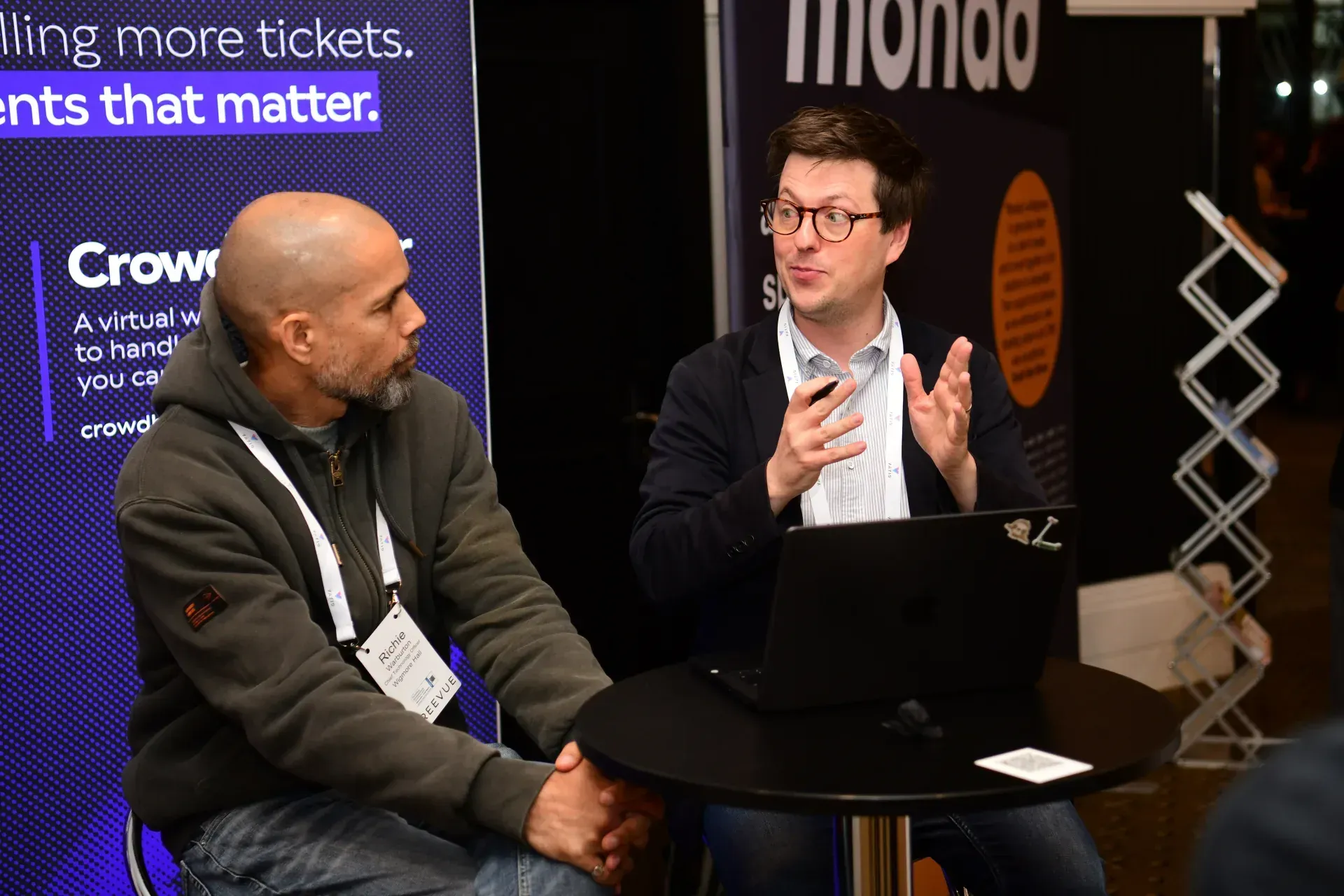
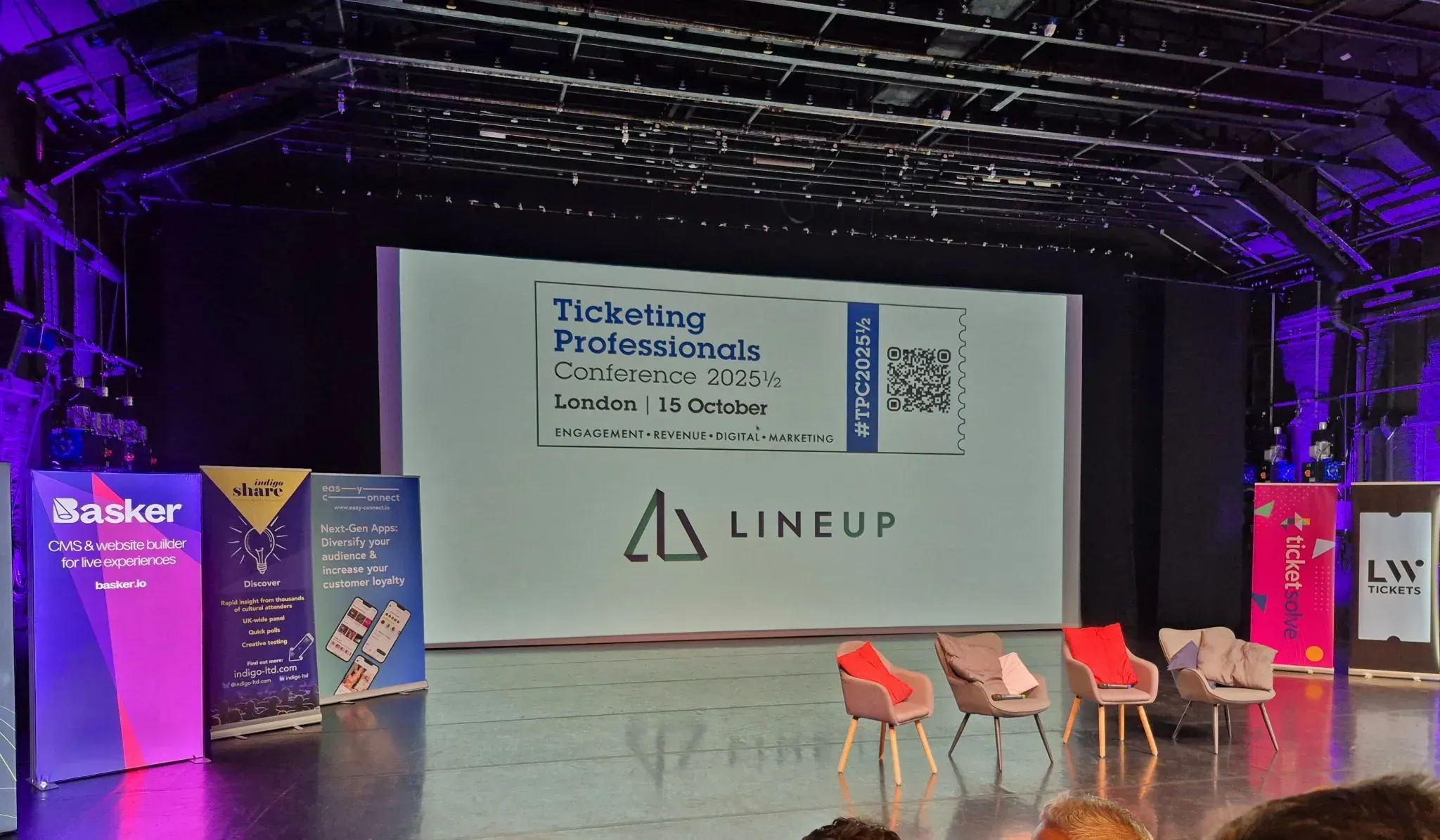
James and the Basker team presented at TLCC London 2026 at the QEII Centre in Westminster, our first time on stage at the European edition of the Tessitura Learning & Community Conference.
Our session, "No More CMS Upgrades: Rapid Launch, Continuous Evolution for Ticketing Websites," opened with a show of hands: who in the room had been involved in a website project at some point in their careers? Almost everyone. Who thought it came in on time and on budget? Almost nobody, a reasonable starting point for a conversation about why we built Basker.
The core of the session was a walk-through of what the traditional CMS rebuild cycle costs in money, time and missed opportunities, as budgets go towards maintenance rather than improvement. Basker's SaaS model avoids a fresh rebuild every few years: platform updates ship centrally and the Tessitura integration improves continuously.
The other half of the session was a live demo of what's now possible with AI coding tools. Starting from a wireframe built in Figma, we used Claude Code to build a working Basker theme (Tessitura integration included) in about thirteen minutes. We then showed the opposite end of the spectrum: Basker's self-serve site builder, which lets an organisation go from sign-up to a Tessitura-integrated website without writing a line of code.
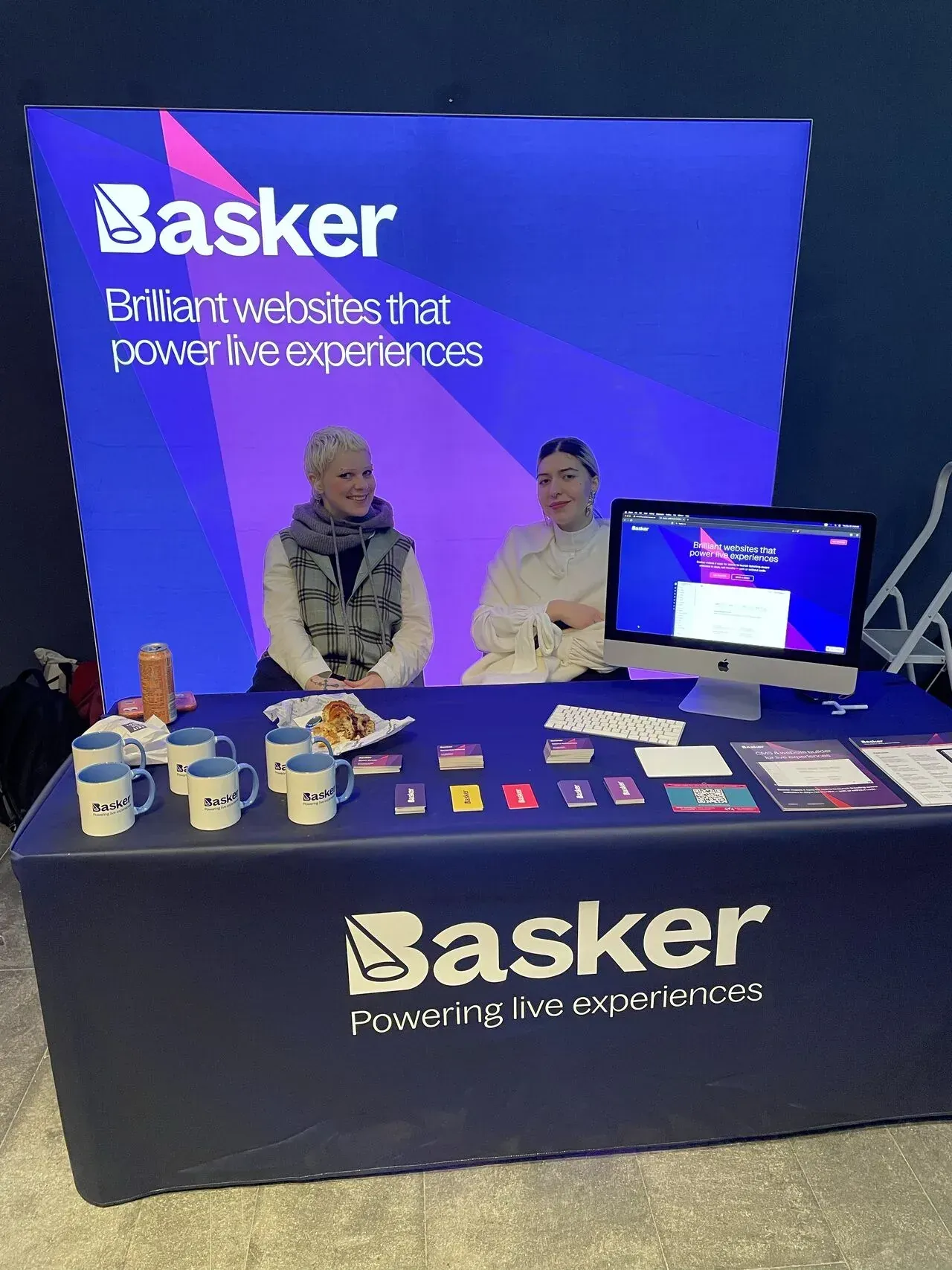
We also had a stand in the sponsor zone across both days. Thank you to the Tessitura Network for a brilliantly run event, and to everyone who came to find us.